Back to Blog
Medical Technology
Advances in artificial intelligence for medical diagnosis
January 10, 20247 min read1,923 views
The AI revolution in medical diagnosis
Artificial intelligence is radically transforming modern medicine, especially in the area of medical diagnosis. AI tools can analyze large amounts of medical data in seconds, identify patterns that the human eye might miss, and provide more accurate and faster diagnoses.
Main AI applications in diagnosis:
- Radiology: Cancer detection in mammograms, CT scans and MRIs
- Dermatology: Identification of melanomas and malignant skin lesions
- Ophthalmology: Diagnosis of diabetic retinopathy and macular degeneration
- Cardiology: Analysis of electrocardiograms and echocardiograms
- Pathology: Analysis of biopsies and histological samples
Advantages of AI in medical diagnosis
1. Improved accuracy:
- Reduction of diagnostic errors by up to 30%
- Ability to detect microscopic abnormalities
- Objective analysis without human bias
- Early disease detection
2. Diagnostic speed:
- Real-time image analysis
- Simultaneous processing of multiple cases
- Reduced waiting times for patients
- Urgent diagnoses in minutes
3. Accessibility:
- Medical care in rural and remote areas
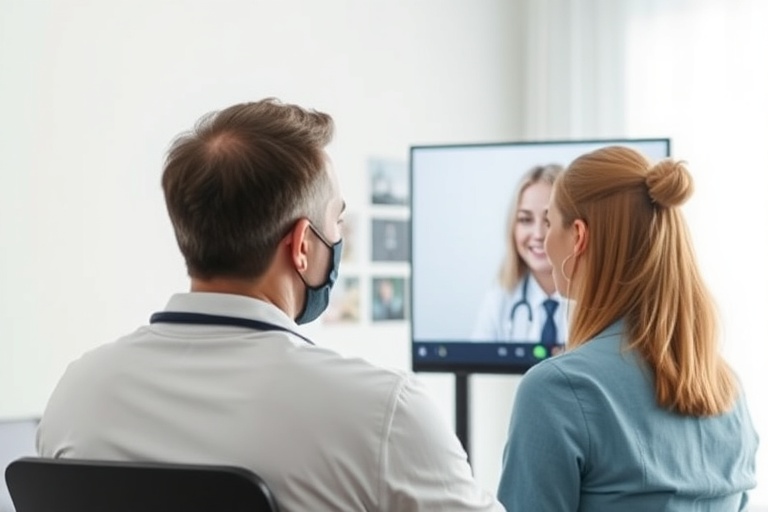
- Specialized consultations without travel
- Reduced healthcare costs
- Democratization of access to quality diagnoses
🎯 Key benefits for patients:
- Faster diagnoses: Results in minutes vs. days
- Greater accuracy: Reduction of false positives/negatives
- Early detection: Timely disease treatment
- Democratic access: Universal specialized care
- Reduced costs: More affordable healthcare
The future of AI in medicine
Expected developments for 2025-2030:
- Multimodal AI: Integration of multiple medical data types
- Predictive medicine: Prevention rather than treatment
- Extreme personalization: Treatments based on individual genetics
- Intelligent surgical robotics: AI-assisted surgeries
- Advanced telemedicine: Hospital-quality remote diagnoses
📋 Key points of the future of medical AI:
- AI complements, doesn't replace, medical judgment
- Adoption will be gradual but inevitable
- Benefits far outweigh the risks
- Medical training must include AI competencies
- Patients will have access to world-class diagnoses
- Preventive medicine will be the norm, not the exception