Back to Blog
Doctors
Telemedicine: The future of medical consultation
January 11, 20248 min read1,789 views
What is telemedicine?
Telemedicine is the practice of medicine using technology to deliver care at a distance. It allows healthcare providers to evaluate, diagnose and treat patients without the need for an in-person visit, using video calls, phone calls, and digital communication tools.
Types of telemedicine services:
- Live video conferencing: Real-time consultation with healthcare providers
- Store-and-forward: Transmission of medical data for later review
- Remote patient monitoring: Collection of patient data using connected devices
- Mobile health (mHealth): Healthcare services via mobile devices
Benefits of telemedicine
For patients:
- Convenience: No travel time or waiting rooms
- Accessibility: Access to specialists regardless of location
- Cost savings: Reduced travel and time off work
- Reduced exposure: Lower risk of infectious diseases
- Continuity of care: Easier follow-up appointments
For healthcare providers:
- Expanded reach: Serve patients in remote areas
- Increased efficiency: More patients seen per day
- Reduced overhead: Lower facility costs
- Better work-life balance: Flexible scheduling options
- Improved outcomes: Better patient monitoring
Common telemedicine applications
Primary care consultations:
- Routine check-ups and follow-ups
- Medication management
- Chronic disease monitoring
- Preventive care and health screenings
Mental health services:
- Therapy and counseling sessions
- Psychiatric evaluations
- Crisis intervention
- Substance abuse treatment
Specialist consultations:
- Dermatology (skin condition evaluations)
- Cardiology (heart rhythm monitoring)
- Endocrinology (diabetes management)
- Neurology (stroke follow-up)
📱 How to prepare for a telemedicine appointment:
- Test your technology: Ensure good internet connection and camera/microphone work
- Find a quiet space: Choose a private, well-lit area
- Prepare your information: Have medical history, medications, and questions ready
- Check insurance coverage: Verify telemedicine benefits
- Have a backup plan: Phone number in case of technical issues
Technology and equipment
Basic requirements:
- Reliable internet connection (broadband preferred)
- Device with camera and microphone (smartphone, tablet, or computer)
- Telemedicine platform or app
- Private, quiet space for consultation
Advanced remote monitoring devices:
- Blood pressure monitors
- Pulse oximeters
- Glucometers for diabetes
- Digital thermometers
- Weight scales
- ECG monitors
Limitations and considerations
What telemedicine cannot do:
- Physical examinations requiring touch
- Laboratory tests and blood draws
- Imaging studies (X-rays, MRIs)
- Emergency situations requiring immediate intervention
- Procedures requiring specialized equipment
Important considerations:
- Privacy and security: Ensure HIPAA-compliant platforms
- Technology barriers: Some patients may need assistance
- Insurance coverage: Varies by provider and location
- Licensing requirements: Providers must be licensed in patient's state
The future of telemedicine
Emerging technologies:
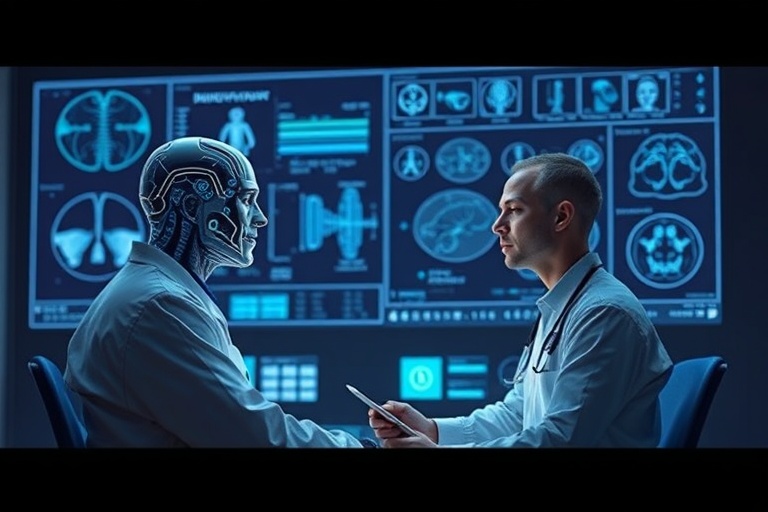
- Artificial intelligence: AI-powered diagnosis and triage
- Virtual reality: Immersive therapy and training
- Wearable devices: Continuous health monitoring
- 5G networks: Faster, more reliable connections
- Blockchain: Secure medical record sharing
📋 Key takeaways:
- Telemedicine increases access to quality healthcare
- It's convenient and cost-effective for many conditions
- Technology continues to improve capabilities
- It complements, not replaces, traditional healthcare
- Patient and provider satisfaction rates are high
- The future holds even more innovative possibilities